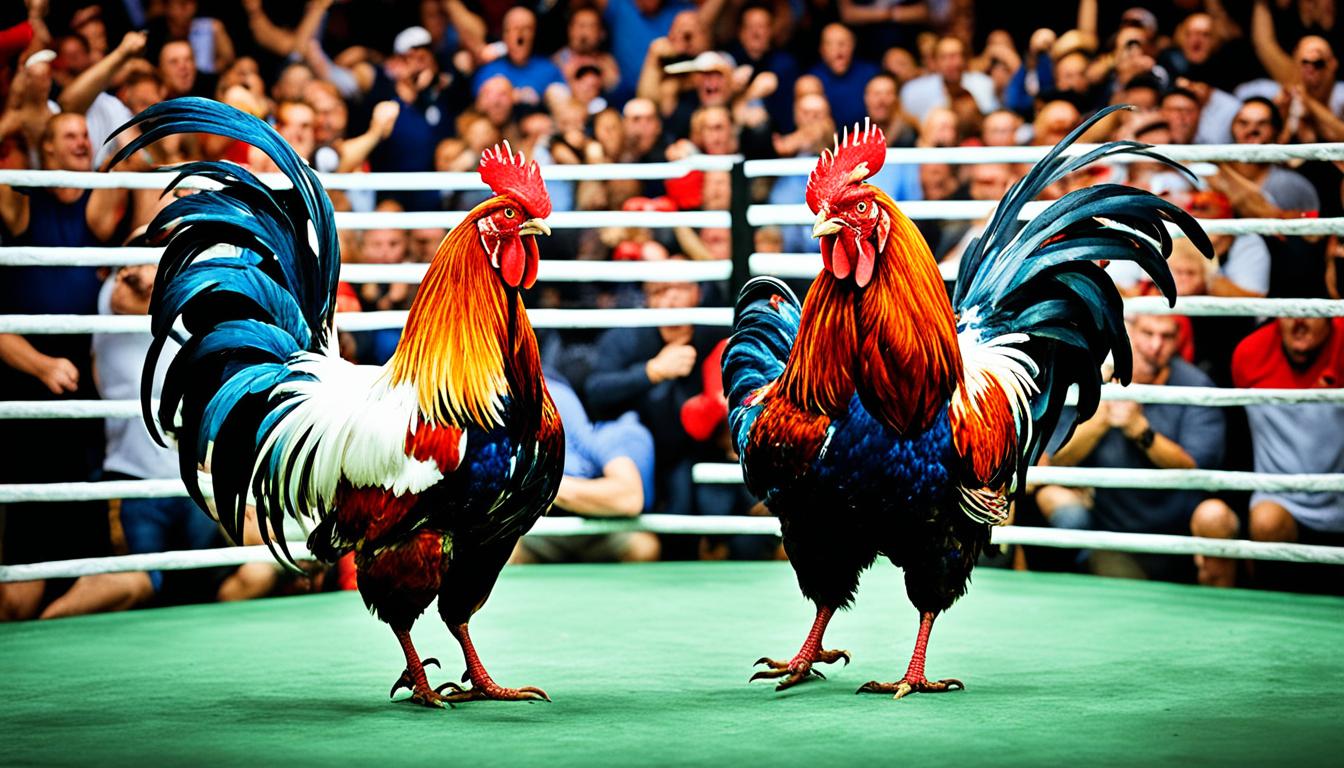
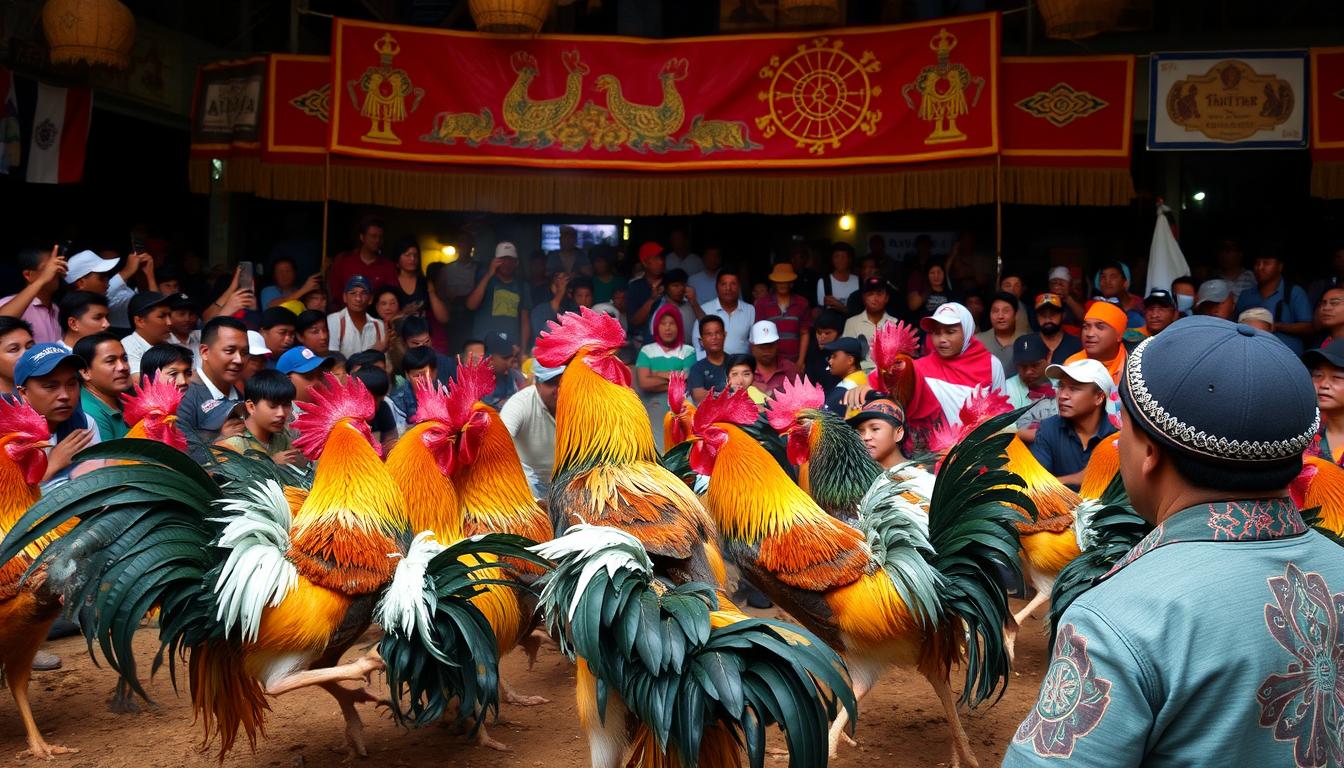
Ayam Petarung, also known as fighting chickens, are a specialized breed bred for their strength, agility, and endurance. These birds have a long history rooted in various cultures, where they have been valued for their physical capabilities and competitive spirit. The key to understanding ayam petarung lies in their unique characteristics, which include a strong, muscular body, sharp eyes, and a temperament suited for battle.
Different types of ayam petarung come from diverse regions, each bringing unique traits. For example, the Bangkok variety is known for its power and stamina, while others like the Shamo from Japan stand out for their posture and height. These physical and behavioral traits make ayam petarung distinct and highly regarded among enthusiasts.
Beyond their physical traits, ayam petarung have cultural significance and are often seen as symbols of courage and resilience. The birds continue to capture the interest of many, whether for breeding, competition, or tradition, making them an enduring subject of fascination.
Understanding Ayam Petarung
Ayam Petarung are distinct for their physical traits, fighting abilities, and historical significance. Their various breeds each offer unique characteristics influenced by long-standing traditions and breeding practices in different regions.
Definition and Characteristics
Ayam Petarung, also known as fighting cocks, are roosters bred specifically for combat. They exhibit traits such as a sturdy body, sharp eyes, and well-defined muscles. Typical features include a robust beak, strong legs with spurs, and glossy feathers.
These birds are recognized for their temperamental nature, speed, and high fighting instincts. They differ significantly from regular poultry, reflecting their specialized purpose in events like cockfighting. The combination of strength, agility, and endurance is carefully cultivated through selective breeding.
Origins and History
Ayam Petarung have roots dating back centuries, embedded in several cultures worldwide, especially in Southeast Asia. Historically, these birds were valued not only for entertainment but also for demonstrating bravery and status.
The tradition of cockfighting has been documented extensively in countries like Indonesia, Thailand, and the Philippines. Their lineage often includes indigenous breeds crossed with others like the legendary Ayam Bangkok. Cultural significance remains strong despite modern controversies over animal welfare.
Types of Ayam Petarung
There are various breeds, each with unique fighting styles and physical attributes. Notable types include:
| Breed | Origin | Key Traits |
|---|---|---|
| Ayam Bangkok | Thailand | Strong build, aggressive style |
| Ayam Ciparage | Indonesia | Smaller, fast and nimble |
| Ayam Suro | Java | Balanced stamina and power |
Each type demands specific breeding and training techniques to optimize combat performance. Differences also appear in body frame, feather types, and fighting tactics, catering to diverse regional preferences.
Physical Attributes of Fighting Chickens
Fighting chickens exhibit specialized physical traits that enable them to perform well in combat. Their body build is powerful and agile, complemented by striking plumage and features that contribute to strength and endurance.
Body Structure
Fighting chickens have strong, muscular bodies with compact frames. Their chest is broad and deep, supporting powerful wing muscles needed for balance and quick strikes during fights. Legs are sturdy, well-muscled, and longer compared to regular chickens, aiding in swift movements and aggressive attacks.
The skeletal structure is dense, providing resilience against blows. Their tendons and ligaments are thicker, increasing stability during intense physical activity. Weight is carefully balanced to optimize speed without sacrificing power.
Plumage and Coloration
The plumage of fighting chickens is often tight and glossy, reducing the chance of a rival grabbing feathers during a fight. Colors vary widely but tend to be bright and vivid, including reds, blacks, and golds. These colors may serve as visual signals of health and vigor.
Feathers around the neck and saddle are typically longer and more pronounced, adding a fierce appearance while also protecting vital areas. Dense feathering on the thighs enhances protection without limiting movement.
Distinctive Features
Fighting chickens possess distinctive features like sharp, curved beaks and strong, elongated spurs used for offense and defense. Their eyes are alert and positioned for excellent vision, crucial for reacting swiftly in combat.
Their combs and wattles are usually smaller or trimmed to avoid injury. Skin toughness on the legs and neck is heightened to withstand pecking and kicking. These traits collectively improve survivability and fighting effectiveness in the arena.
Selection and Breeding Practices
Selecting and breeding ayam petarung requires careful attention to genetic traits, breeding methods, and lineage tracking. These elements work together to enhance desired qualities like strength, temperament, and physical form. Understanding the specifics of each area is essential for producing competitive fighting chickens.
Genetic Selection
Genetic selection focuses on identifying and choosing ayam petarung with superior traits such as agility, stamina, and aggressiveness. Breeders assess physical characteristics including muscle tone, feather condition, and eye sharpness. They also consider hereditary factors to ensure these qualities are passed to the offspring.
Disease resistance and overall health play important roles in selection. Genetic markers may be used to track inheritance of favorable traits. This method increases the likelihood of producing strong, resilient birds suited to fighting conditions.
Genetic variation is balanced by maintaining desirable traits while avoiding excessive inbreeding, which can weaken the flock. Effective selection involves culling weaker individuals and prioritizing those with proven performance records.
Breeding Techniques
Breeding techniques for ayam petarung include inbreeding, line breeding, and crossbreeding. Inbreeding concentrates strong traits by mating close relatives, but it carries risks of genetic weaknesses. Line breeding is a controlled form of inbreeding aiming to keep desirable genes consistent within the bloodline.
Crossbreeding introduces new traits by combining different lines. This method enhances vigor and can improve fighting capabilities if carefully managed. Monitoring offspring performance after each mating is crucial for refining breeding choices.
Breeders often use performance testing and physical evaluations during the selection phase. They also combine traditional breeding knowledge with modern practices like genomic tools to optimize results.
Lineage and Pedigree
Maintaining detailed lineage records helps track the genetic background of ayam petarung. Pedigree information reveals bloodline purity and hereditary strengths or weaknesses. This data allows breeders to plan matings that avoid harmful recessive traits.
Breeders document parentage, offspring, and performance outcomes on each generation. This creates a clear breeding history which supports decision-making for future pairings.
Lineage analysis ensures that important traits such as fighting skill and temperament are preserved. It also helps identify bloodlines with a track record of producing champion birds. Proper management of pedigree data is key to sustained breeding success.
Essential Training for Ayam Petarung
Training an Ayam Petarung requires attention to its physical strength, dietary needs, and behavior. Each aspect directly affects endurance, agility, and fighting capability. A focused routine targeting these areas optimizes performance and resilience in the arena.
Physical Conditioning
Physical conditioning for Ayam Petarung centers on building strength, speed, and stamina. Daily exercises include sprint drills and short, intensive bursts of movement to develop quick reflexes and muscle power. Strength training involves controlled resistance methods, such as climbing or carrying small weights.
Training sessions should balance intensity and rest to prevent injury and stress. Flexibility exercises, like wing stretching, improve agility during fights. Conditioning the respiratory system is also crucial; endurance training with gradually extended periods simulates the demands of actual combat.
Diet and Nutrition
Nutrition plays a vital role in preparing an Ayam Petarung. A diet high in protein supports muscle development and repair, commonly sourced from insects, boiled eggs, and lean meats. Providing balanced vitamins and minerals helps maintain optimal health and energy levels.
Feeding schedules are consistent, with meals spaced to enhance digestion and avoid fatigue before training. Supplements such as herbal tonics or traditional jamu may be used to improve stamina and immune function. Clean water supply and hygienic feeding practices prevent illnesses that could impair performance.
| Nutrient | Source | Purpose |
|---|---|---|
| Protein | Insects, eggs, meat | Muscle growth and recovery |
| Vitamins | Vegetables, supplements | Vital functions and energy |
| Minerals | Natural feed additives | Bone strength and metabolism |
Behavioral Training
Behavioral training shapes aggression, focus, and responsiveness. Early socialization includes exposure to different sounds and environments to reduce stress during fights. Controlled sparring sessions teach timing and strategic movement without risking serious injury.
Handlers use consistent commands and rewards to reinforce desired behaviors such as attacking or defending. Stress management techniques, including calm handling and quiet rest periods, maintain the bird’s mental balance. Behavioral training aims to sharpen instinctive fighting skills while preventing destructive or erratic actions.
Health and Wellness Management
Maintaining the health and wellness of ayam petarung is critical for their performance and longevity. Proper nutrition, disease prevention, and timely veterinary care form the foundation of effective management.
Common Diseases
Ayam petarung are prone to respiratory infections, parasites, and bacterial illnesses due to their active lifestyle and contact with other birds. The most common diseases include Newcastle disease, fowl cholera, and coccidiosis. Symptoms like lethargy, loss of appetite, coughing, and drooping feathers should be monitored closely.
Parasitic infestations such as mites and lice can cause skin irritation and anemia, weakening the bird. Early detection through routine health checks prevents the spread. Good hygiene, proper ventilation, and clean living environments also reduce disease risks significantly.
Preventive Care
Preventive care relies on balanced nutrition and environmental management. Feeding ayam petarung a diet rich in carbohydrates, proteins, vitamins, and minerals enhances their immune response and stamina. Supplements like vitamins A, D, and E support cellular repair and resistance to infections.
Vaccination against common viral and bacterial diseases is essential for prevention. Regular cleaning of cages, water, and feeding areas limits pathogen exposure. Periodic deworming schedules help in controlling internal parasites, while natural remedies like herbal tonics are sometimes used to boost vitality.
Veterinary Support
Access to experienced veterinarians ensures early diagnosis and effective treatment. Regular veterinary inspections focus on injury management, disease screening, and vaccination updates. Diagnostics may include blood tests, fecal exams, and microbial cultures to identify specific health threats.
In case of injury or illness, professional interventions can range from wound care to administration of antibiotics or antiparasitic medications. Keeping medical records helps track health trends and tailor interventions. Prompt veterinary care minimizes downtime and supports quick recovery, which is crucial for a competitive ayam petarung.
Legal and Ethical Considerations
Ayam Petarung, or fighting roosters, occupy a complex space where tradition intersects with modern legal frameworks and ethical concerns. Regulations vary widely, impacting how events are organized and controlled. Ethical debates focus primarily on the treatment and welfare of the animals involved.
Regulations Around Cockfighting
In some countries, including the Philippines, cockfighting is legal but highly regulated. Licensed arenas operate under strict schedules, and organizers must comply with tax laws and official oversight. These regulations aim to manage public order and economic activities related to the practice.
Conversely, many regions have banned cockfighting entirely due to concerns over animal cruelty. Enforcement varies, and illegal cockfighting often persists underground. Laws typically address issues like gambling, animal cruelty, and public safety.
Key regulatory elements include:
- Licensing and permits for event venues
- Restrictions on gambling activities
- Veterinary oversight for animal health
- Penalties for violations
These measures attempt to balance cultural heritage with public and animal welfare concerns.
Animal Welfare Issues
Cockfighting raises significant animal welfare concerns. The birds are often bred and trained specifically for aggression, leading to physical harm or death during fights. Injuries include deep wounds, broken bones, and excessive stress.
Ethical discussions focus on the animals’ capacity to feel pain and suffer, emphasizing the need for improved care or the abolition of such practices. Animal welfare advocates argue that preserving culture should not come at the expense of the birds’ well-being.
Improving animal welfare in this context involves:
- Limiting injuries through protective gear
- Providing veterinary care before and after fights
- Reducing forced aggressive behavior through training standards
However, critics maintain that any form of fighting for entertainment compromises fundamental animal rights.
Cultural and Economic Impact
Ayam Petarung plays a significant role beyond entertainment, deeply influencing cultural identity and local economies. It intersects with tradition, commerce, and community activities, shaping livelihoods and social relationships.
Role in Local Traditions
Ayam Petarung is embedded in cultural rituals, symbolizing pride, social status, and community identity. The practice has existed for centuries, often linked to rites of passage, celebrations, and spiritual beliefs. In many villages, the presence of ayam petarung reinforces traditional values and social hierarchies.
The fights themselves go beyond sport; they represent a negotiation between luck, skill, and honor. This tradition sustains communal bonds as participants and spectators gather, sharing history and customs through these events.
Market Value and Trade
Economic activities surrounding ayam petarung are extensive and complex. Roosters are carefully bred, trained, and traded on factors like lineage, physical traits, and previous performance. Some fighting cocks with strong reputations can command high prices, rivaling significant investments in other local industries.
Suppliers of feed, medicines, cages, and grooming tools form an interconnected market. This trade supports breeders, trainers, and traders, providing financial opportunities especially in rural areas with limited alternatives.
| Item | Role |
|---|---|
| Feed & Medicine | Keeps roosters healthy |
| Cages | Ensures proper housing |
| Grooming Tools | Maintains physical condition |
Community Events and Competitions
Cockfighting events serve as important social gatherings, reinforcing community ties. Competitions bring together breeders, trainers, and bettors, creating an environment where economic and social activities merge.
These events often have structured formats, with prizes and betting attracting wide participation. They function as platforms for preserving cultural heritage while providing entertainment. Participants defend or enhance their reputations, motivating continuous involvement.
Community festivals around ayam petarung often integrate other local customs, making them multifaceted celebrations rather than isolated sporting events.
Sustainable Practices for Ayam Petarung Enthusiasts
Sustainable care for Ayam Petarung involves balancing animal welfare with environmental responsibility. Enthusiasts should prioritize nutritious and balanced feeding that includes carbohydrates, proteins, vitamins, and minerals. Proper nutrition supports the bird’s health and performance while minimizing waste.
Implementing sustainable farming techniques helps reduce ecological impact. Efficient resource use, such as water and feed management, lowers waste and greenhouse gas emissions. Ethical treatment of the fighting chickens is essential, ensuring they live in clean, spacious environments to promote natural behaviors.
A simple sustainable care checklist:
| Practice | Description | Benefit |
|---|---|---|
| Balanced Diet | Quality feed with nutrients | Health and stamina |
| Waste Management | Proper disposal and recycling methods | Reduced environmental footprint |
| Space and Cleanliness | Adequate housing and hygiene | Better animal welfare |
| Regular Health Monitoring | Routine checks and vaccinations | Prevents disease |
Additionally, sustainable enthusiasts consider the genetic selection of strong and healthy birds. Choosing robust lineages reduces the need for excessive medical interventions and enhances the overall quality of the stock.
Physical training combined with proper care improves the Ayam Petarung’s endurance and readiness while maintaining ethical standards. This approach supports both the bird’s welfare and the sustainability of the practice on a larger scale.