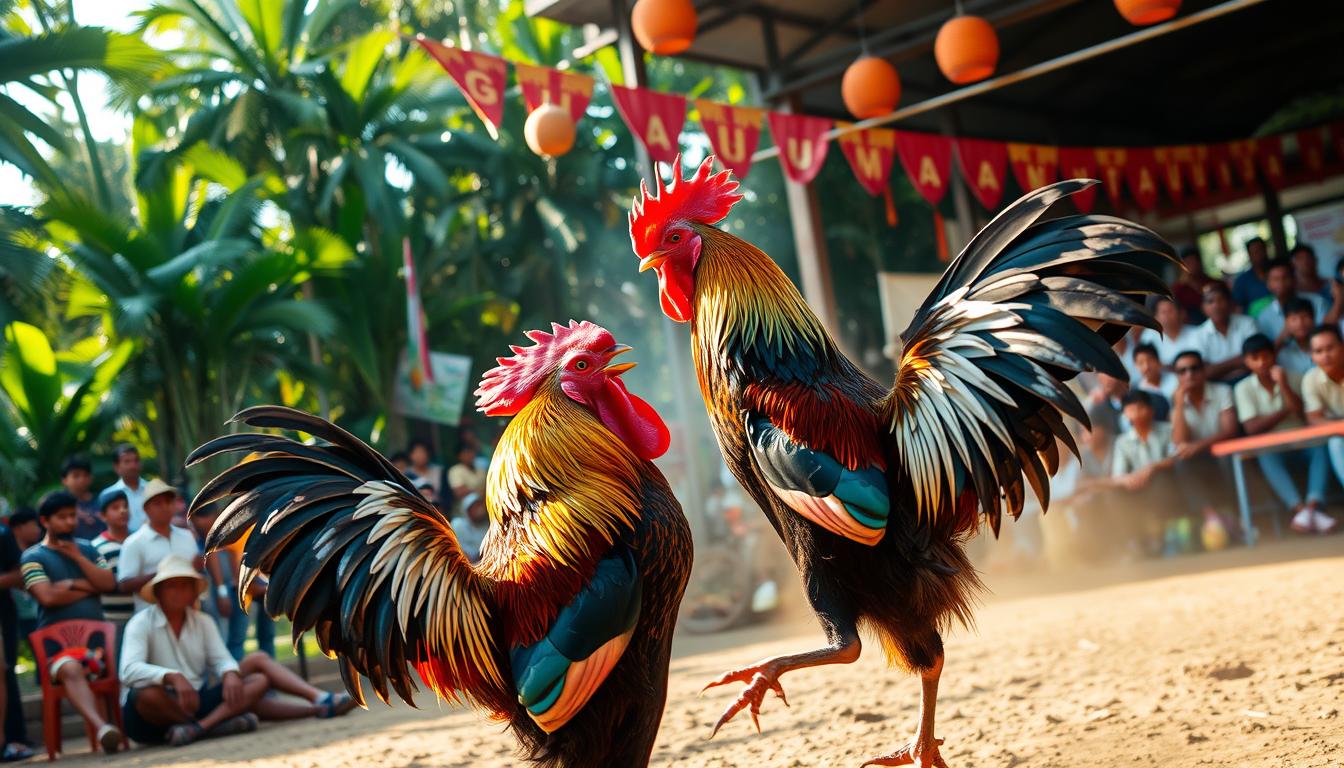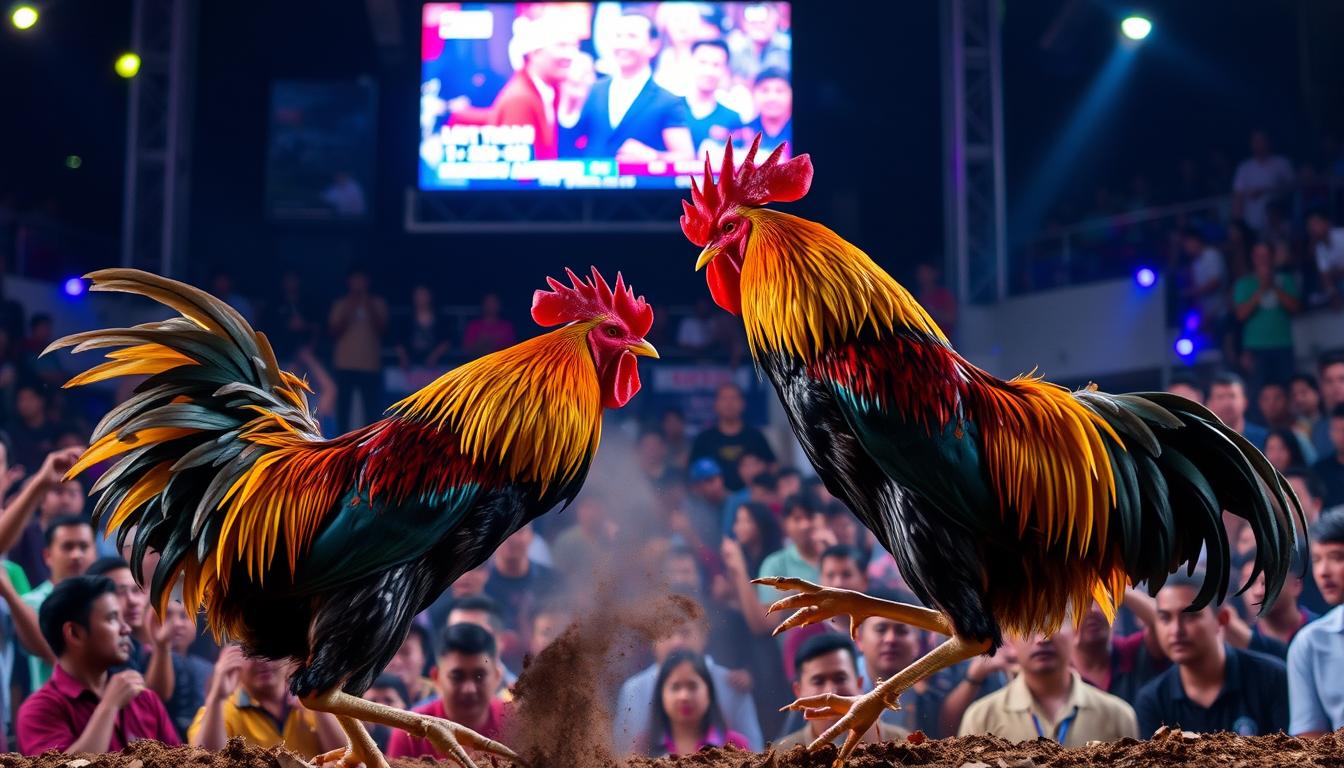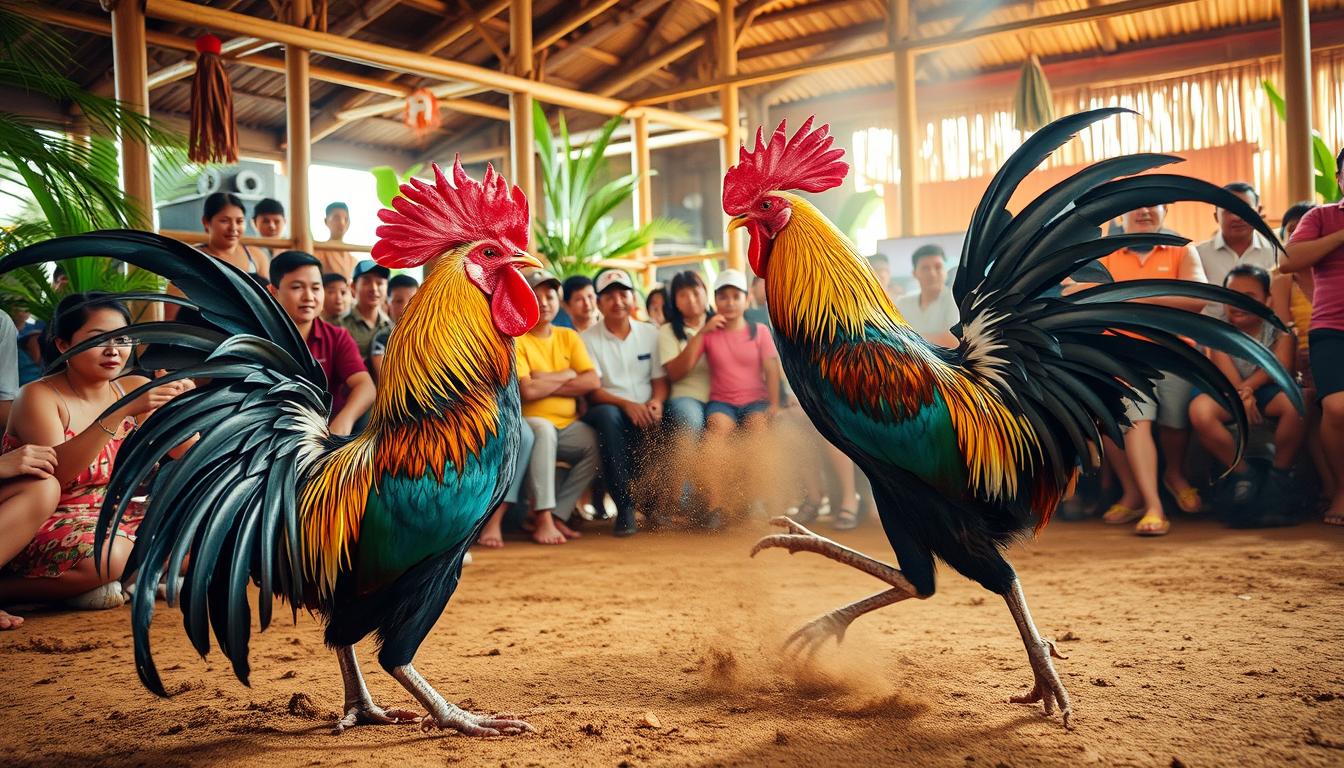
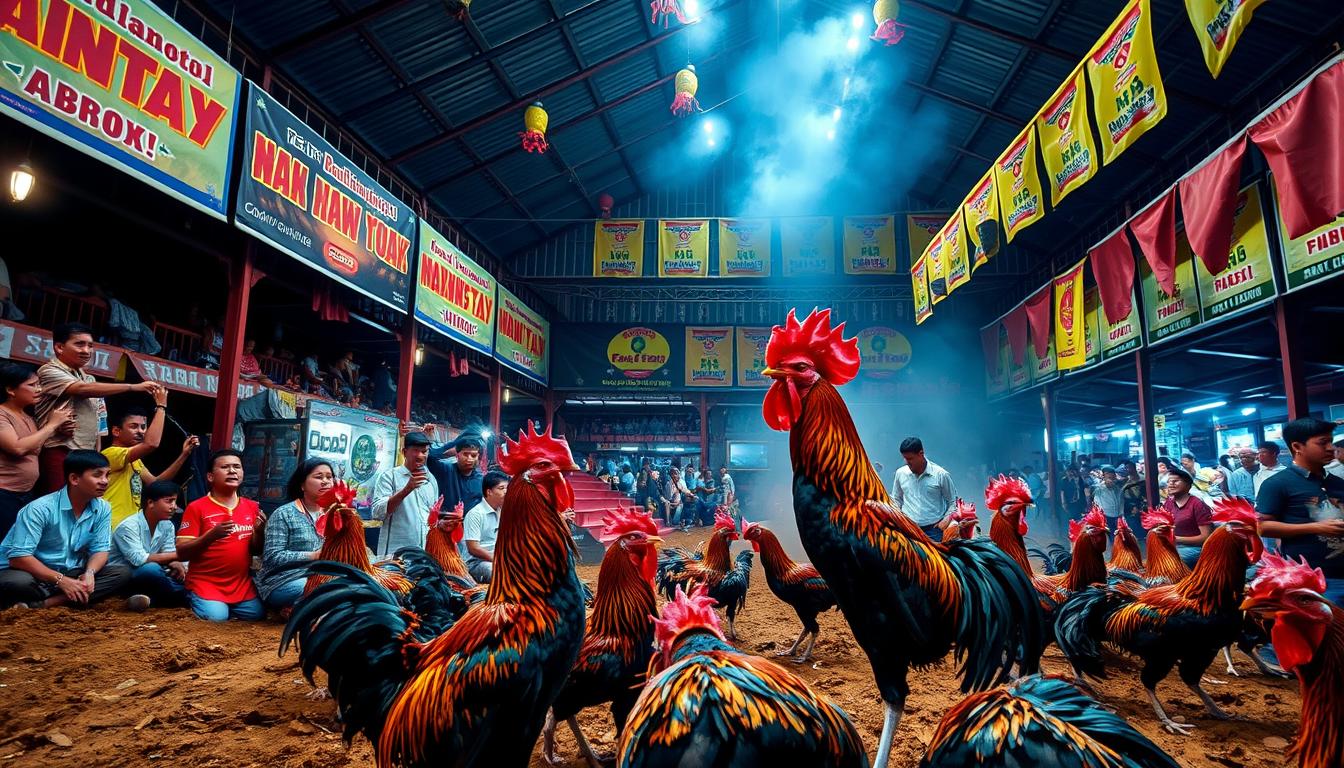
Adu Ayam, also known as cockfighting, is a traditional practice involving a fight between two roosters, often held for entertainment, cultural rituals, or gambling. It has deep historical roots in many societies, especially in Indonesia and Southeast Asia, where it carries cultural significance beyond the sport itself. Adu Ayam is both a longstanding cultural tradition and a controversial activity that blends sport, social status, and ritual.
The practice involves specially bred roosters, like the well-known Bangkok breed, trained for agility and fighting skill. While it remains popular in some communities, legal restrictions and ethical concerns have increasingly challenged its place in modern society. Understanding the history, cultural context, and legal environment sheds light on why this tradition persists despite controversy.
Both enthusiasts and critics recognize that Adu Ayam reflects more than just competition. It embodies social connections, tradition, and cultural identity, making it a complex subject that invites deeper exploration beyond the surface level.
What Is Adu Ayam?
Adu Ayam is a traditional practice involving a fight between two roosters. It carries layers of historical roots, cultural significance, and specific terminology that define its role in society.
Historical Background
Adu Ayam dates back to pre-colonial times and has been deeply embedded in Indonesian culture for centuries. The tradition originated as a form of competition to showcase the strength, agility, and bravery of fighting roosters, often linked to local customs and rituals. Historically, it was not only a sport but also a social event connecting communities.
The birds used are usually specially bred, such as the Ayam Bangkok, prized for their powerful bodies and fighting capabilities. Over time, the practice adapted, with rules and customs varying across regions but maintaining the core element of rooster combat. It reflects a long-standing relationship between humans and animals in cultural settings.
Cultural Importance
Beyond the physical contest, Adu Ayam holds significant cultural value in many Indonesian communities. It is often seen as a symbol of courage, status, and tradition, playing a vital role in local ceremonies and social gatherings.
In some areas, it also carries spiritual meanings, believed to bring luck or demonstrate supernatural strength. The event supports local economies through breeding, training, and betting associated with the matches. Despite controversies related to animal welfare, its cultural roots keep Adu Ayam active in various parts of Indonesia.
Terminology Explained
Several terms are key to understanding Adu Ayam. The word “sabung ayam” refers directly to the cockfighting match or event. Ayam petarung describes the fighting rooster, typically characterized by muscular bodies, sharp claws, and aggressive behavior.
Taji means “spur,” the sharp claw on a rooster’s leg, sometimes replaced with metal spikes to increase lethality. The term “bangkok” refers to a breed favored for their speed and strength in fights. This terminology helps clarify the different components and roles within Adu Ayam, covering the birds, techniques, and match specifics.
Rules And Format Of Adu Ayam
Adu Ayam follows specific structures to maintain fairness, safety, and cultural integrity. This includes defined regulations, distinct match types, and clear judging standards. Each component ensures participants understand the framework and the criteria for competition outcomes.
Standard Regulations
Standard regulations in Adu Ayam focus on the welfare of the birds and fair competition. Fighters must meet health and age requirements, often mandating physical inspections before matches. Use of sharp blades or artificial weapons on the roosters’ legs is regulated or prohibited, depending on local laws.
The environment is controlled: the arena size is fixed, and fights are timed, typically lasting several rounds with set intervals. Handlers are restricted during bouts to prevent interference. Compliance with sanitation and humane treatment protocols is increasingly emphasized to protect the birds’ welfare.
Types of Matches
Matches vary by region but generally include exhibition fights, betting bouts, and tournament rounds. Exhibition matches often have no wagering and serve to showcase skills or breeding quality. Betting bouts attract casual and professional gamblers, influencing the intensity of the fights.
Tournament matches are formal and structured, following strict brackets and elimination rules. Some follow traditional time limits, while others end when one bird cannot continue. Matches may also differ based on the breed of rooster, such as Bangkok type or native strains, each with distinct physical and fighting characteristics.
Judging Criteria
Judging in Adu Ayam is based on observable performance and condition during and after the fight. Key criteria include the agility and aggression of the rooster, targeting skill, and endurance shown across rounds. Judges monitor injuries, stamina, and signs of surrender.
Points or decisions may be awarded for dominance, strategic strikes, and ability to maintain control. In some matches, the fight continues until one bird can no longer fight, simplifying victory criteria. Referees ensure rules are followed, disqualifying violators or stopping fights to prevent excessive harm.
Types Of Chickens Used In Adu Ayam
Adu Ayam features specific breeds selected for traits that enhance fighting ability. These chickens are carefully chosen based on breed characteristics, physical traits, and performance in the arena.
Popular Breeds
Several breeds dominate the Adu Ayam scene due to their proven fighting qualities. The Ayam Bangkok is highly favored for its strength, endurance, and aggressive nature. Another widely known breed is Ayam Kedu, originating from the Kedu Plain in Indonesia, known for its agility and resilience.
Ayam Cemani is also notable, primarily for its rarity and distinctive all-black appearance, but it is less common in fighting circles. Meanwhile, the Ayam Kampung or native village chicken often participates due to its hardiness and adaptability, though it’s generally less powerful than specialized fighting breeds.
These breeds are preferred in different regions depending on availability and tradition, highlighting the cultural diversity in Adu Ayam.
Selection Criteria
Choosing the right chicken for fighting emphasizes several key factors. The bird must exhibit strong physical health, with no signs of weakness or deformities. Temperament is critical; fighters must have high aggression and quick reflexes to respond during matches.
Breeders also look for stamina and endurance because longer fights require sustained energy. Age is important—mature but not old birds are ideal. Proper muscle development, particularly in the legs and wings, enhances both attack and defense capabilities.
Overall, selection balances physical traits with psychological readiness to ensure the best chance of success in the ring.
Physical Characteristics
Successful Adu Ayam chickens typically share distinct physical features. They possess muscular bodies with strong legs for powerful strikes and fast movement. Neck length varies but should allow for agile head strikes. Compact bodies contribute to balance and faster recovery during confrontations.
Weight is usually moderate; too heavy limits speed, while too light reduces impact force. Their claws and beaks are sharp and well-maintained to maximize damage. Feather condition is also a factor since loose or weak feathers compromise mobility.
These characteristics combine to form a fighter optimized for aggression, speed, resilience, and endurance.
Training And Preparation
Proper training and preparation ensure that fighting cocks develop strength, agility, and endurance. Attention to feeding, exercise routines, and health maintenance is critical for peak performance and resilience during matches.
Feeding Practices
Adu ayam requires a balanced diet rich in protein, vitamins, and minerals. Quality feed includes grains such as corn and rice supplemented with boiled eggs, shrimp, or fish to boost protein intake. Fresh water must always be available to maintain hydration.
Feeding frequency matters; chickens receive small portions 2-3 times daily to optimize digestion and energy. Before a fight, some trainers reduce carbohydrate intake and increase protein to enhance muscle condition while avoiding excessive fat.
Vitamin and mineral supplements can improve blood circulation and muscle recovery. Clean, uncontaminated feed prevents disease and supports steady, healthy growth.
Conditioning Programs
Physical conditioning focuses on agility, endurance, and strength through structured daily exercises. Trainers use routines like free-range running, sprint drills, and climbing to build cardiovascular fitness and muscle tone.
Training frequency typically ranges from 4 to 6 days per week, gradually increasing intensity. Techniques like sparring with other birds or controlled fights help sharpen reflexes and aggression.
Rest days allow for muscle recovery and prevent exhaustion. Conditioning also includes acclimating the birds to the fight environment, reducing stress and improving performance on fight day.
Health and Veterinary Care
Maintaining health is essential, requiring regular checks for parasites, wounds, and infections. Routine deworming and vaccinations protect against common diseases like coccidiosis and avian flu.
Wounds sustained during training or fights need immediate cleaning and treatment to avoid complications. Trainers closely monitor behavior changes indicating illness or fatigue.
Veterinary support provides professional diagnosis and care, ensuring wing, beak, and muscle health remain optimal. Proper hygiene of living quarters minimizes risks and promotes fast healing.
Equipment And Arenas
Adu Ayam requires careful preparation of the fighting environment and the right gear to ensure effective and regulated matches. The layout of the arena, protective equipment for handlers, and essential tools all play crucial roles in the event’s conduct and safety.
Arena Setup
The arena is typically a circular or square enclosure designed to keep the fighting confined and visible to spectators. It often features raised edges or barriers to prevent the birds from escaping. The floor is covered with soft materials like sand or dirt to reduce injuries during fights.
Dimensions vary but usually maintain a compact size to encourage constant engagement between the birds. Lighting and visibility are important to highlight the action for both participants and spectators. In some regions, arenas may be indoors or outdoors depending on local tradition and weather.
Protective Gear
Handlers and caretakers wear protective clothing to prevent injuries when managing the birds before and after fights. Lightweight but sturdy gloves are common to avoid scratches and bites. Some also use arm guards or long sleeves to shield against sudden attacks.
Proper footwear is essential to navigate rough or slippery surfaces in the arena area safely. Eye protection is less common but can be used during intense handling sessions. The gear prioritizes mobility while offering basic safety to handlers.
Tools Used
Specific tools play important roles, like sharp thumb tacks or small knives, which are sometimes affixed as spurs on the roosters’ legs to increase combat effectiveness. Such equipment is handled carefully and often regulated by local rules.
Feeders, water containers, and transport cages are crucial for pre- and post-fight care. Cleaning tools maintain hygiene in the arena and bird housing. The tools emphasize practical use, ensuring both combat readiness and animal welfare are considered.
Legal And Ethical Considerations
Adu Ayam involves complex legal frameworks and ethical questions that challenge lawmakers and society. These issues include the enforcement of laws, cultural values, and concerns about animal treatment.
Laws and Regulations
In Indonesia, Adu Ayam is officially banned under national law, mainly due to animal cruelty and gambling regulations. However, enforcement varies by region, and some local governments allow regulated events with strict permits. Legalized matches often require licenses, supervision, and adherence to safety rules.
The patchwork of legality causes many fights to shift underground, complicating legal oversight. Some provinces impose fines or jail time for unauthorized activities. Other countries may permit cockfighting under controlled conditions, emphasizing official sanction and health standards.
This regulatory inconsistency poses challenges for authorities trying to uphold laws while respecting cultural practices.
Ethical Debates
Adu Ayam sparks deep ethical debates centered on tradition versus animal rights. Supporters defend it as an important cultural heritage and community event, highlighting social bonds and economic benefits. They argue it preserves identity and livelihoods.
Opponents insist that the practice inherently causes unnecessary suffering and glorifies animal violence for entertainment. They call for stricter prohibitions, emphasizing modern ethical standards and animal welfare.
This tension leads to ongoing discussions about balancing respect for cultural traditions with evolving societal values on humane treatment and public morality.
Animal Welfare Concerns
Animal welfare remains a critical concern in Adu Ayam. Roosters are bred and trained specifically for fighting, often subjected to injuries, stress, and inhumane treatment. Sharp gaffs or blades may be attached to their legs, increasing harm.
Veterinary oversight is typically minimal or absent in illegal matches. This raises questions about pain management, injury prevention, and rehabilitation.
Efforts to mitigate cruelty include calls for banning the use of weapons, enforcing medical checks, or promoting alternative non-violent sports. Animal rights organizations stress that no tradition justifies deliberate harm to animals.
Economic Impact
Adu Ayam significantly influences various economic activities, touching local livelihoods, gambling markets, and commercial operations. Its role shapes financial flows and employment opportunities, while also raising economic challenges.
Local Communities
Adu Ayam often acts as a source of income in rural and semi-urban areas. It generates revenue through event organization, including ticket sales and local vendor participation. The tradition also supports small businesses like food stalls and transportation services.
The activity fosters local economic circulation but can create dependence on irregular earnings. In some cases, families rely on winnings, impacting household financial stability. Social networks around these events encourage informal economies, but sometimes at the expense of long-term development.
Gambling and Betting
Betting on Adu Ayam is a core economic factor yet remains controversial. Wagering ranges from small bets among individuals to large sums involving organized groups. This betting generates significant cash flow but often occurs outside formal financial systems.
Such gambling can undermine family finances and contribute to economic instability. Regulatory challenges persist due to the activity’s illegal status in many regions. Nonetheless, the market’s size indicates substantial economic activity tied directly to betting practices.
Commercial Breeding
Commercial breeding of fighting roosters has become a specialized sector driven by high demand. Breeders invest in selective mating for traits like strength and stamina, which increases the value of birds. This creates a niche market with price points often far exceeding normal poultry farming.
The breeding business includes feed suppliers, veterinary services, and training facilities, creating employment and supply chains. However, professional breeding also reflects the commodification of Adu Ayam, intertwining traditional culture and modern commerce.
Adu Ayam In Popular Culture
Adu Ayam has been present in various cultural forms, reflecting its deep integration into communities. It appears in media, public events, and artistic expressions, highlighting its multifaceted role beyond just a traditional sport.
Media Representations
Adu Ayam often features in films, documentaries, and television shows focusing on Indonesian or Southeast Asian culture. Media usually presents it as a window into local customs, emphasizing the ritualistic and social aspects of cockfighting.
Documentaries explore the ceremonies surrounding adu ayam, especially the religious connections seen in Bali’s tajen tradition. Some films critically examine the ethical debates tied to animal welfare and gambling. News outlets occasionally cover it during major tournaments, illustrating its ongoing popularity in contemporary society.
Famous Events
Several high-profile events showcase adu ayam as part of cultural festivals or competitions. In Bali, cockfighting is intertwined with Hindu temple ceremonies, making these matches significant beyond entertainment.
Other regions hold annual tournaments that attract large crowds and regional competitors. These events often blend sport, tradition, and social status, where owners demonstrate the strength and training of their fighting roosters. The presence of sharp metal spurs on the birds is a notable feature in competitive matches, adding severity to the contests.
Influence on Art and Literature
Adu Ayam influences various art forms, including traditional paintings, sculptures, and folk literature. Visual artists use images of fighting roosters to symbolize bravery, conflict, and status.
In literature, stories often depict cockfighting as a metaphor for struggle, courage, or social competition. Its representation in folklore and local narratives preserves the ritual’s cultural significance, reinforcing values tied to honor and tradition. This artistic engagement keeps adu ayam relevant in modern cultural discourse.
Future Trends In Adu Ayam
Adu Ayam continues to evolve, bringing changes in how the tradition is practiced and perceived. Innovations in technology and shifts in public opinion are shaping its future, while adaptations reflect a balance between cultural roots and modern influences.
Modern Adaptations
Adu Ayam is increasingly adapting to contemporary social and legal environments. Traditional in-person matches often face legal restrictions, leading to alternative forms that maintain cultural significance while complying with regulations. This includes the rise of regulated arenas and community events that emphasize heritage over gambling.
Additionally, new community structures have emerged. Fans and breeders now connect globally, fostering a shared culture that transcends local boundaries. These adaptations help keep the tradition alive while addressing concerns about animal welfare and legality.
Efforts to professionalize the sport are visible, with better breeding practices and conditioning techniques enhancing the birds’ performance ethically.
Technological Innovations
Technology has introduced significant changes to Adu Ayam. Digital platforms allow enthusiasts to watch matches online, place bets virtually, and trade or showcase fighting roosters in digital formats. This shift expands accessibility beyond physical locations.
Live streaming and mobile applications enable real-time engagement, broadening the audience. Virtual cockfighting games simulate real-life matches, creating new revenue streams without involving actual animals.
Data analytics also supports breeders in tracking lineage and health, improving the quality and competitiveness of fighting birds sustainably. These innovations reflect a cautious but clear move toward modernization within the tradition.
Changing Public Perception
Public attitudes toward Adu Ayam are gradually shifting. Awareness of animal welfare and legal concerns has increased scrutiny of traditional cockfighting activities. Many communities advocate for reforms that protect animals while preserving cultural heritage.
Educational campaigns emphasize responsible practices and discourage illegal gambling. This has led to more transparent and regulated events that aim to balance tradition with ethical considerations.
Younger generations show mixed interest, often appreciating the cultural aspects but questioning the ethics of actual fights. As a result, digital and virtual forms gain popularity, linking preservation of tradition to evolving social values.